Concept Development
Visual alignment before the shoot
Moodboards and approval routes are locked before day one. The shoot doesn't drift, and revisions get shorter.
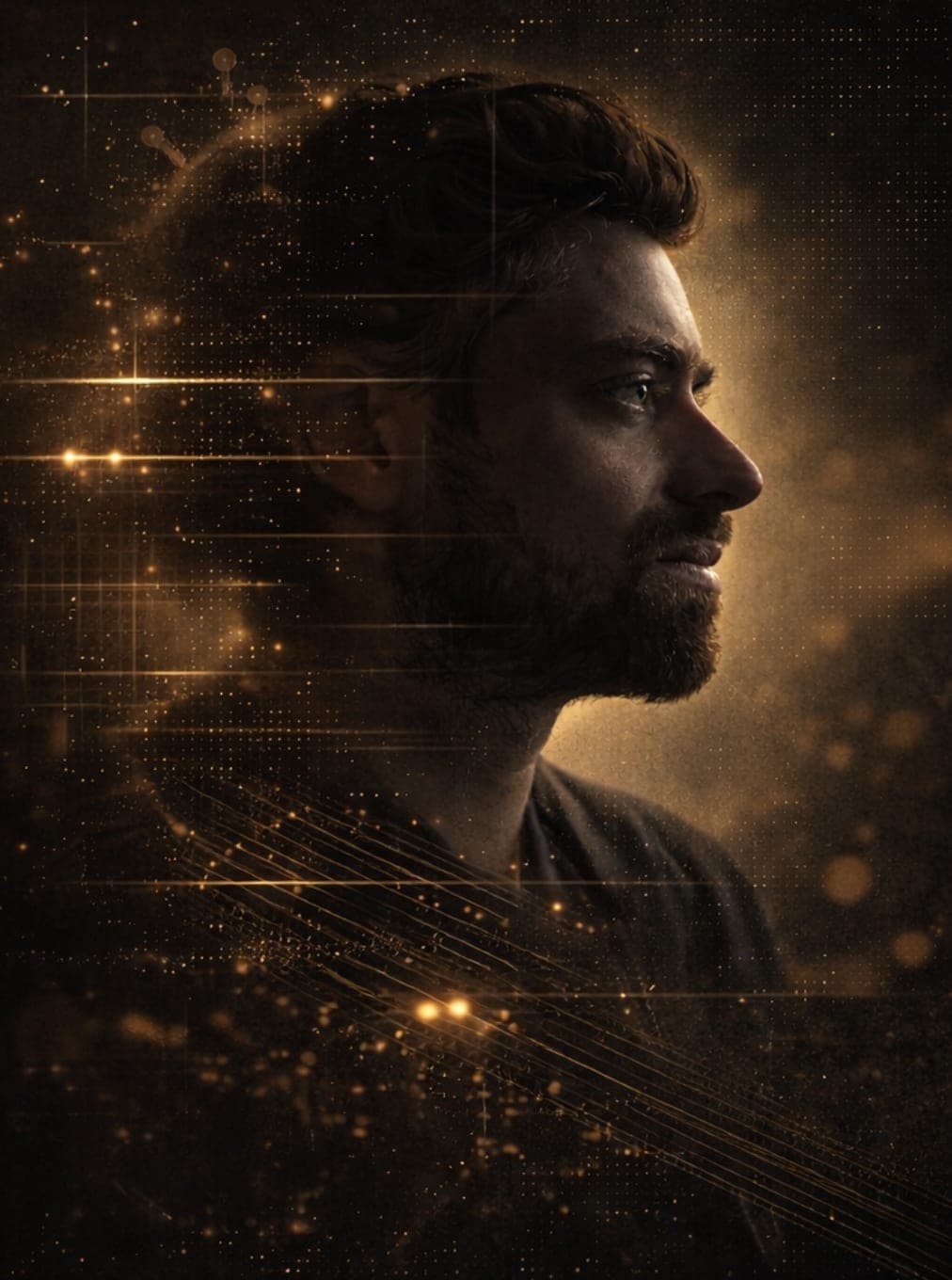
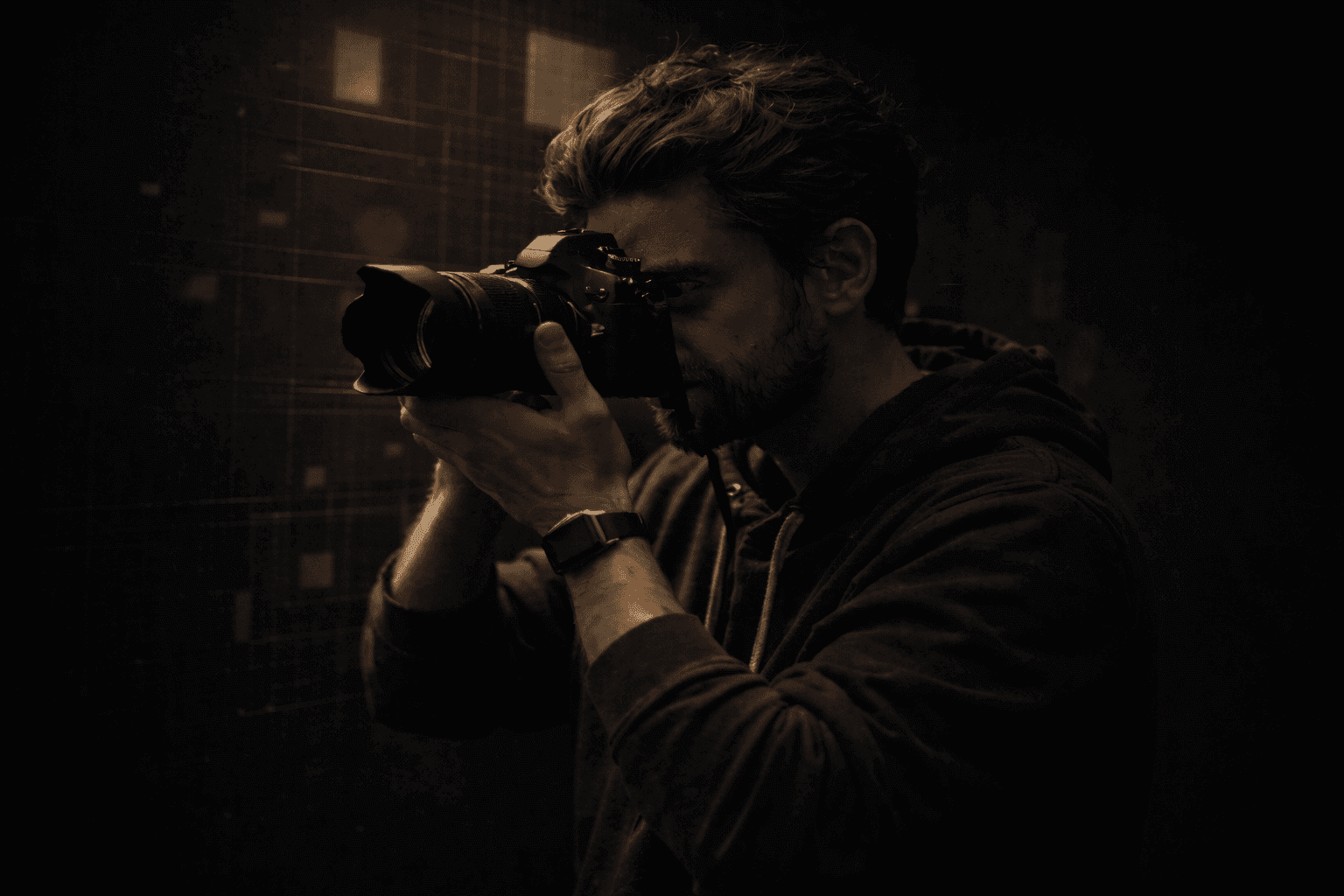
Research, planning, post and delivery under one lead.
One lead from brief to delivery. Software does the sorting and the reference-gathering. I direct the shoot, the edit, the grade.
Moodboards and approval routes are locked before day one. The shoot doesn't drift, and revisions get shorter.
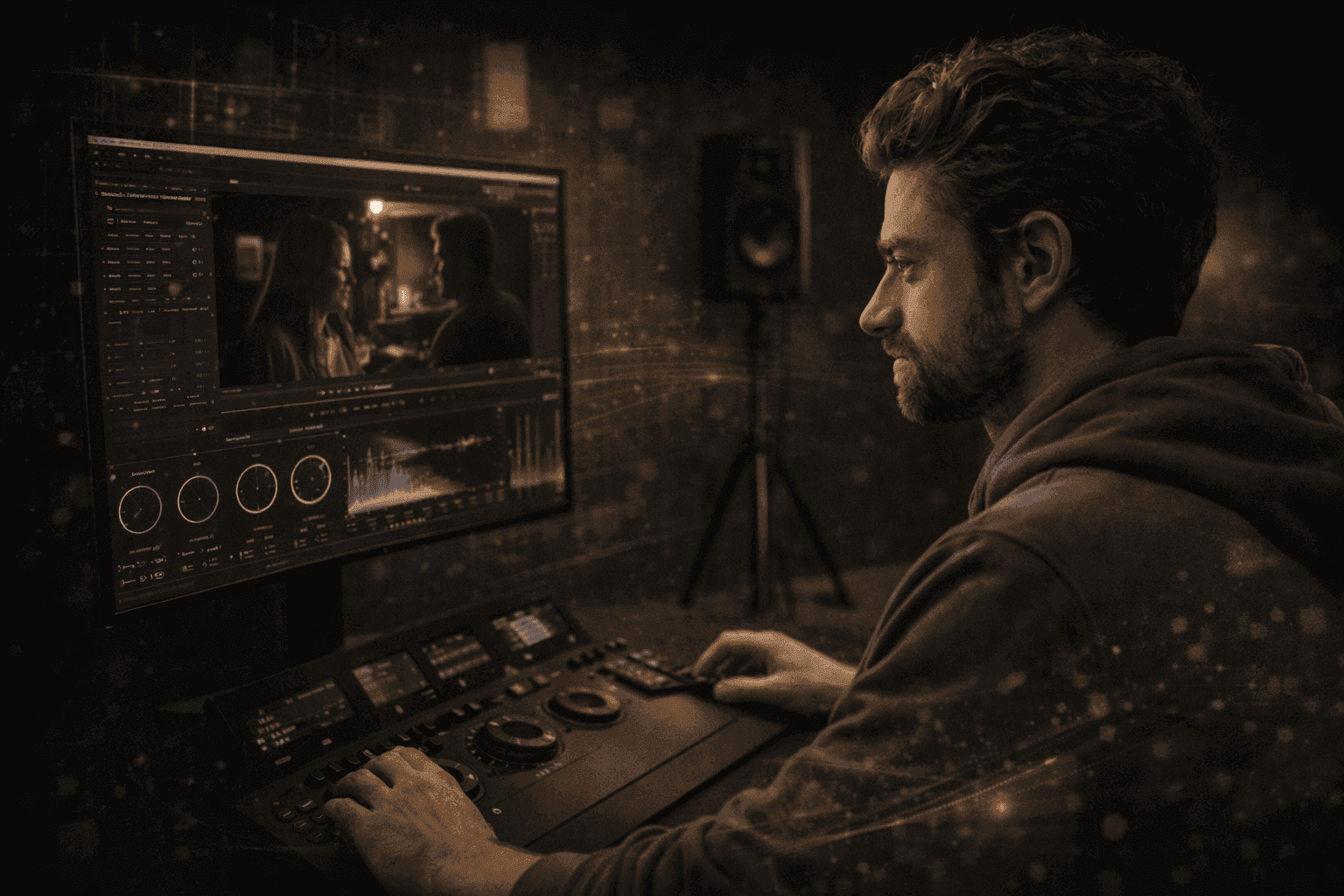
Automation handles sorting, organisation and baseline corrections. I direct the edit and the grade.
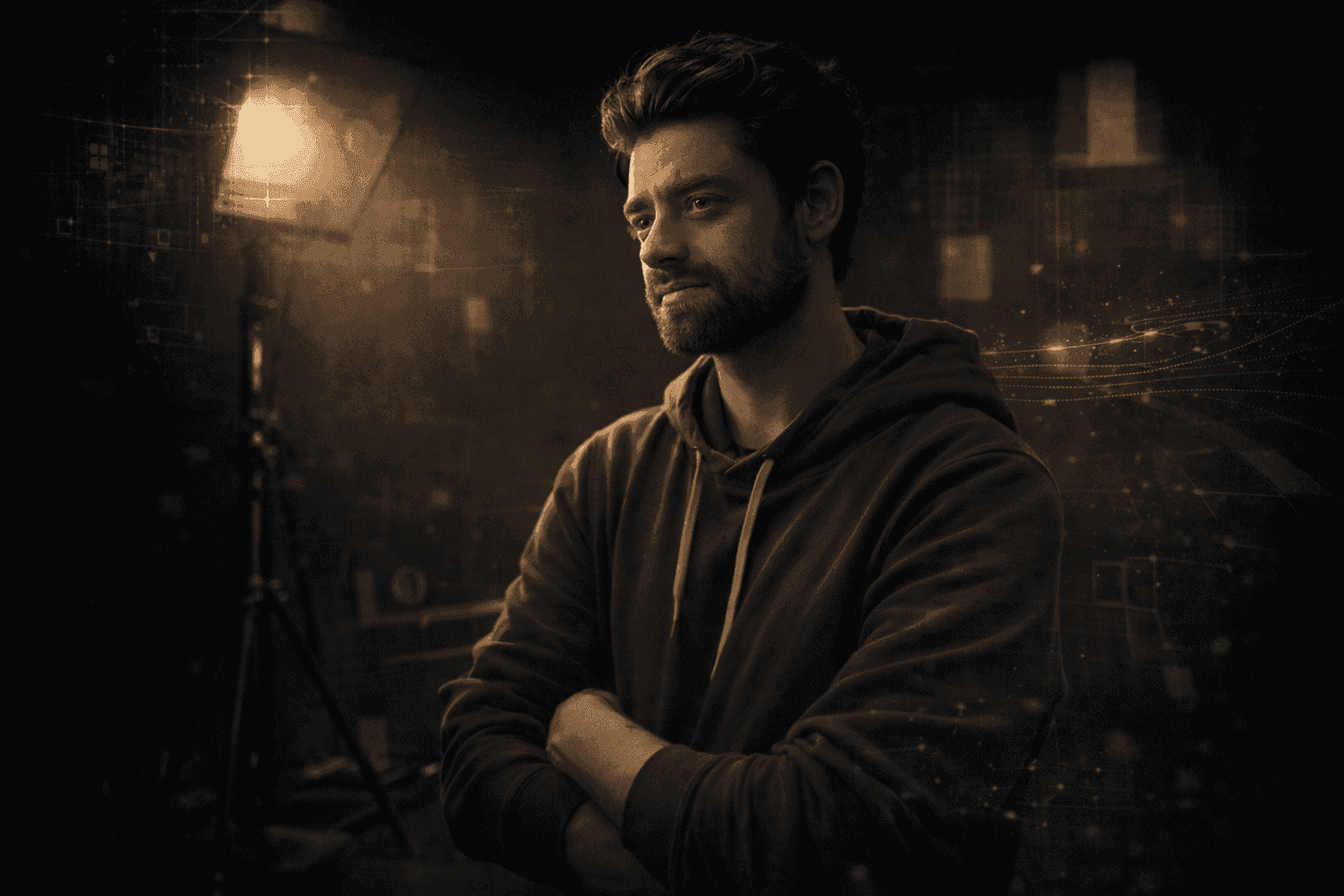
Cleanup, compositing and continuity work are scheduled inside post — not improvised at the end.
01
Research, references, concept locked.
02
Shoot day with fewer variables.
03
Edit, grade, deliver.
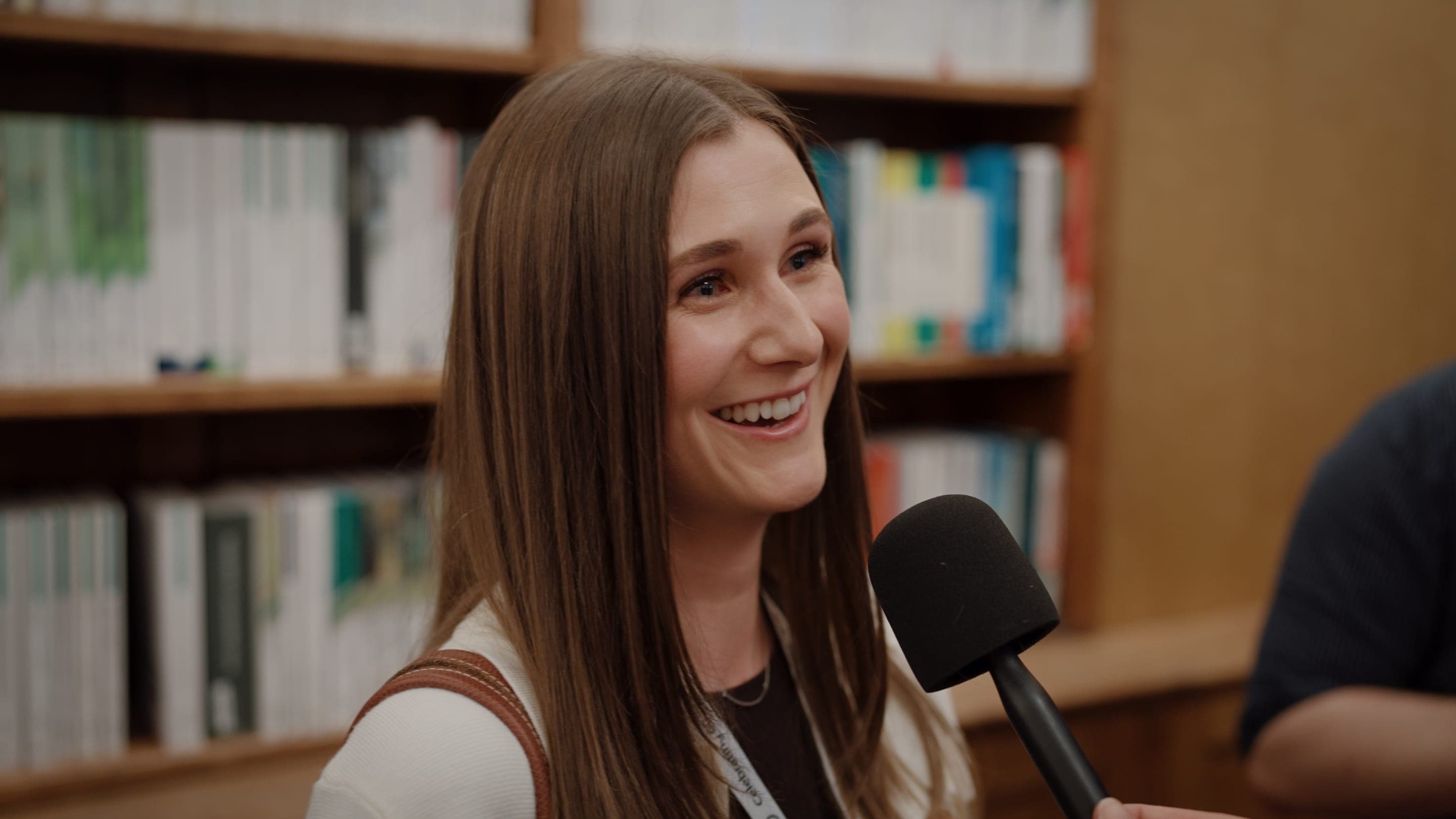
events
British Society of Perfumers
Interview Film for British Society of Perfumers, shot in London.

artistic
Alexandre Dinant , Film Director
Feature Film Cinematography for Alexandre Dinant , Film Director, shot in London, Scotland, Wales,.
Tools support planning and finishing. They don't replace what is shot on set.
Boards align direction early. Final work comes from production.
If a deliverable involves significant compositing or synthetic finishing, you are told.
Tools don't make decisions. Intent does.
Faster, without losing the eye.
Send the brief — I'll come back with a plan and a quote.